Jake Robson-Tull

Computational chemist, structural biologist and software engineer

New York, United States, EST

JRT

About

I develop and ship computational tools for macrocycle modeling at Schrödinger, building specialized methods for a modality at the frontier between small molecules and biologics. My work spans the full product lifecycle from scientific and software development, to productization in Schrödinger's software suite. By combining a background in structural biology, computational chemistry, and software development, I bridge cutting-edge biophysics, software engineering, and strategic partner needs.

Education

University of Oxford

2019 - 2023
D.Phil. in Molecular Cell Biology of Health and Disease

Imperial College London

2016 - 2019
B.Sc. in Biochemistry (Hons)

Work Experience

Principal Scientist

2026 - Present
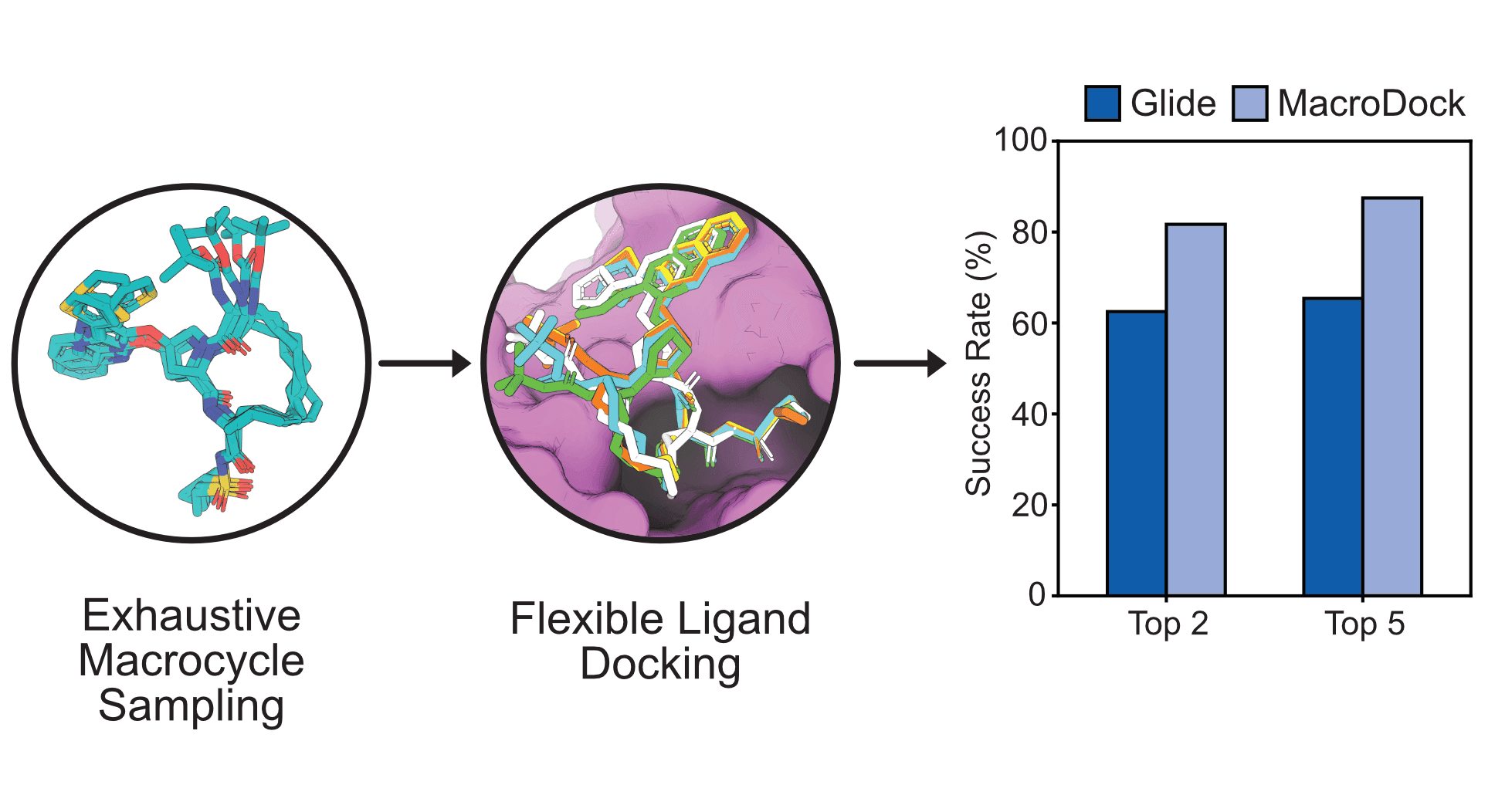
Scientist and product lead for macrocycle modeling and membrane permeability. Shipped a best-in-class docking technology for macrocycles. Developing conformational sampling methods and permeability prediction tools for this emerging drug modality. Building new technologies for protein refinement.

Senior Scientist II

2025 - 2026
Built computational tools for macrocycle modeling, induced fit docking, and protein refinement within the Schrödinger platform.

Senior Scientist I

2023 - 2025
Developed computational tools for protein structure refinement with experimental cryo-EM and X-ray crystallography data.

Cara
Remote

Full Stack Developer

2022 - 2024
Founding engineer helping build a social media and portfolio platform for artists. Designed and shipped end-to-end product features across the frontend and backend, contributing to the platform’s architecture and core user experience.

Visiting Fellow

2021 - 2023
Drove end-to-end structural biology projects on challenging small membrane proteins at the NCI spanning cloning, cell line generation, purification, cryo-EM sample preparation and imaging, map reconstruction, and refinement. Engineered novel eukaryotic expression pipelines and purification protocols for multi-component complexes. Assisted in relocating the lab from Oxford to the NIH, helping establish operations and user training for the new cryo-EM facility.

Graduate Researcher

2019 - 2023
Elucidated the structural mechanisms of protein degradation mediated by membrane-associated E3 ligases using cryo-EM and X-ray crystallography. Developed novel eukaryotic expression systems for membrane protein complexes.

Selected Publications

See all on Google Scholar

Conferences

Biophysical Society 70th Annual Meeting

2026

San Francisco, CA

Physics-based flexible docking of macrocyclic ligands with MacroDock

New York Structural Biology Summer 2025 Meeting

2025

New York, NY

Enabling cryo-EM structures for drug discovery

Biophysical Society 69th Annual Meeting

2025

Los Angeles, CA

Macrocycle and cyclic peptide design using Schrödinger's computational modeling platform

NIH Graduate Student Research Symposium

2022

Bethesda, MD

Structural biology of mammalian protein quality control systems: a bottom-up screen for cryo-EM targets

Center for Structural Biology Symposium

2022

Frederick, MD

Structural biology of mammalian protein quality control systems: a bottom-up screen for cryo-EM targets

Sir William Dunn School of Pathology Annual Symposium

2021

Oxford, UK

Lessons learnt from purifying ER membrane proteins for cryo-EM

Sir William Dunn School of Pathology Annual Symposium

2020

Oxford, UK

Developing a eukaryotic expression system for multi-component membrane protein complexes

Awards

Graduate Student Research Symposium

2022

National Institutes of Health

Graduate Student Research Award for best presentation in Biochemistry, Immunology and Cell Biology

Sir William Dunn School of Pathology Annual Symposium

2021

University of Oxford

Overall Best Poster Award, for research on the structural mechanisms of protein degradation

Doctoral Studentship

2019

Medical Research Council

Funding to support doctoral research in structural biology

Undergraduate Research Bursary

2019

Imperial College London

Funding to undertake work to build a Python course for undergraduate teaching of Life Scientists

EPSRC Vacation Bursary

2018

Imperial College London

Funding to conduct research on “investigating the mode of inhibition of fungal adhesins by cyclic peptides using NMR and X-ray crystallography

Skills

Computational Chemistry
Macrocycles
Permeability Prediction
Structure-based Drug Design
Structural Biology
Cryo-EM
X-ray Crystallography

Tech Stack

Python
JavaScript
TypeScript
Fortran
React/Next.js
Node.js
PostgreSQL
Prisma
Tailwind CSS